Warehouse Flooring
You get a floor built for traction options, faster cleanup, and consistent performance because the install starts with mechanical surface preparation and moisture evaluation, not shortcuts.
A warehouse floor coating is only as strong as the prep under it. If the concrete is not properly prepared and evaluated for moisture, the coating may not perform the way you need it to.
Warehouse Floor Coatings Built for Real Traffic
Warehouses punish concrete. Pallet jacks, forklifts, loading activity, and constant foot traffic grind away at bare slabs. A properly installed coating system helps you manage common warehouse problems:
- Concrete dusting that ends up on inventory, shelving, and equipment
- Stains and chemical marks from oils, cleaners, and spills
- Worn traffic lanes that look rough and become harder to clean over time
- Safety concerns from slick spots, uneven surfaces, or poor visibility
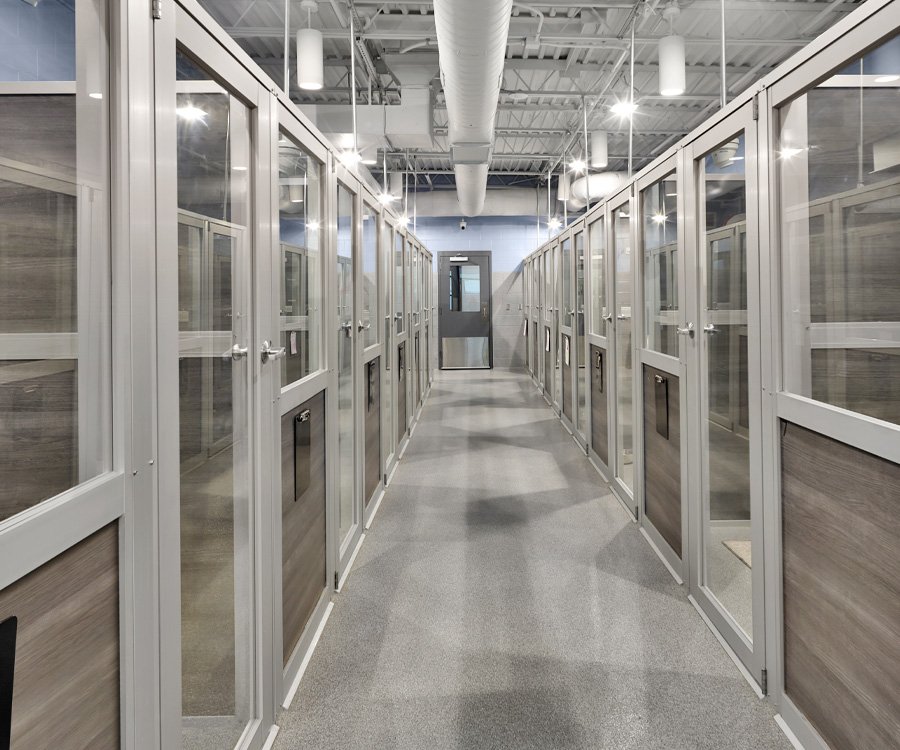
A coated floor gives you a sealed, non-porous surface that is easier to sweep and scrub, while also improving the look of your facility for staff, visitors, and inspections.
For Northeast Ohio operations in and around Cleveland and Akron, the goal is the same: a floor that fits your traffic patterns and is planned around how your team uses the space.
Coating Options for Warehouse Floors
Epoxy Systems for Build and Coverage
Epoxy is commonly chosen when you want a thicker build, a strong bond, and a solid base layer. It can be a great fit for many warehouse environments where durability, coverage, and a consistent finish matter.
Polyaspartic Top Coats for Performance and Faster Return to Use
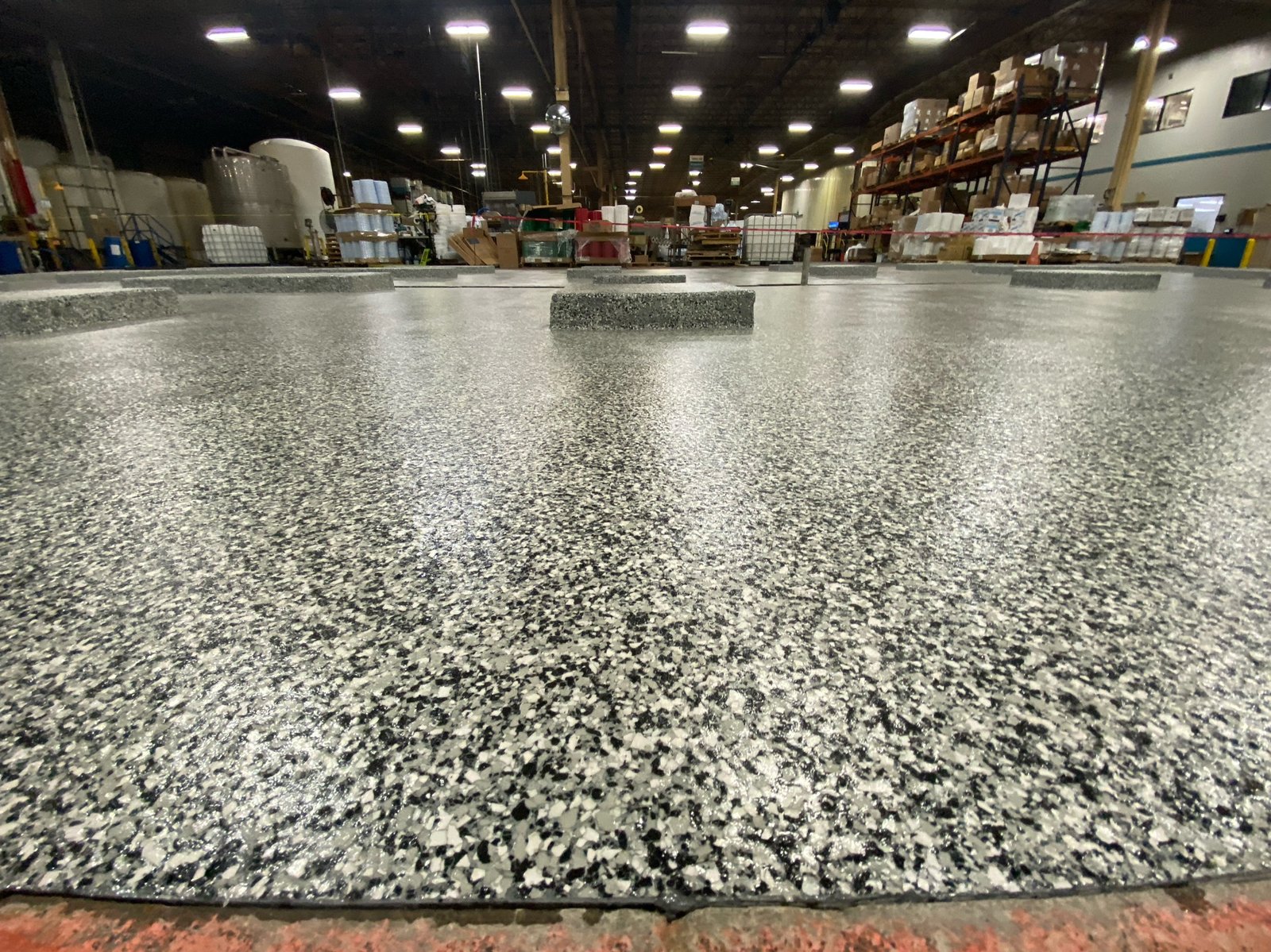
Decorative Full Flake Broadcast
If you want a tougher, textured finish with visual impact, a full flake broadcast system can be a strong option in certain warehouse zones, breakrooms, receiving areas, or customer-facing spaces. It can also help mask minor imperfections and tire marks better than a simple solid color in many cases.
- Epoxy base system: strong build for general warehouse floor coverage and consistent finish
- Polyaspartic top coat: added wear resistance and quicker cure in many applications
- Full flake broadcast: added texture and visual durability for mixed-use zones and higher visibility areas
Why Warehouse Floors Fail Without the Right Prep
Each project includes:
- Moisture vapor moving through the slab
- Weak or dusty concrete that prevents proper bonding
- Old sealers or contaminants in the concrete pores
- Improper surface profile from inadequate preparation
- Cracks, spalls, or joint movement that were not addressed correctly
Mechanical Surface Preparation and Moisture Evaluation
Typical prep work may include:
- Mechanical grinding to open the concrete and remove weak surface layers
- Cleaning and removal of contaminants where needed
- Crack and spall repairs based on the condition of the slab
- Moisture evaluation to reduce the risk of adhesion issues
Performance and Safety Options That Make a Difference
Warehouse floors are functional first. These add-ons can help the floor match how your team works.
Slip-Resistant Texture Options
You can add traction where it matters, such as:
- Entries and exits
- Loading docks
- Areas exposed to water, oils, or frequent cleaning
- Walkways and pedestrian lanes
Line Striping and Markings
Clear markings help with safety and flow. If you need defined lanes, staging zones, or safety boundaries, plan it into the coating project so it looks clean and lasts longer.
Brighter, Cleaner-Looking Surfaces
A lighter, uniform floor finish can improve visibility. That can help teams spot spills, debris, and hazards faster, especially in busy pick and pack areas.
What the Installation Timeline Can Look Like
Every warehouse is different, but the process typically follows a clear sequence:
- Walkthrough and scope
You review goals, traffic patterns, and any problem areas. - Surface preparation and repairs
Mechanical prep, followed by repair work where needed. - Moisture evaluation and system selection
The coating system is matched to the slab and performance needs. - Coating installation
Epoxy base coats, optional broadcast, and polyaspartic top coats as specified. - Cure and return to service
Cure time depends on the system, site temperature, and the specific area of the facility. You will receive a clear return-to-use plan so traffic can be managed safely.